
Expert Vapor Barrier Installation in Worcester County, MA
Excess humidity and dampness are not just minor nuisances every homeowner must contend with. When left unchecked, these issues morph into severe problems, leading to health risks and depreciated property value. This is where Precision Basement Waterproofing based in Leominster, MA, steps in—offering state-of-the-art vapor barrier installations that go a long way in preserving the structural integrity of your home.
Unwanted moisture and its problems often go unnoticed until they become massive issues, including structural damage, mold growth, and allergen build-up. Our specialized team at Precision Basement Waterproofing examines, plans, and installs a foolproof vapor barrier system that effectively keeps moisture troubles at bay, ensuring your basement remains dry.
When Does Your Home Need a Vapor Barrier?
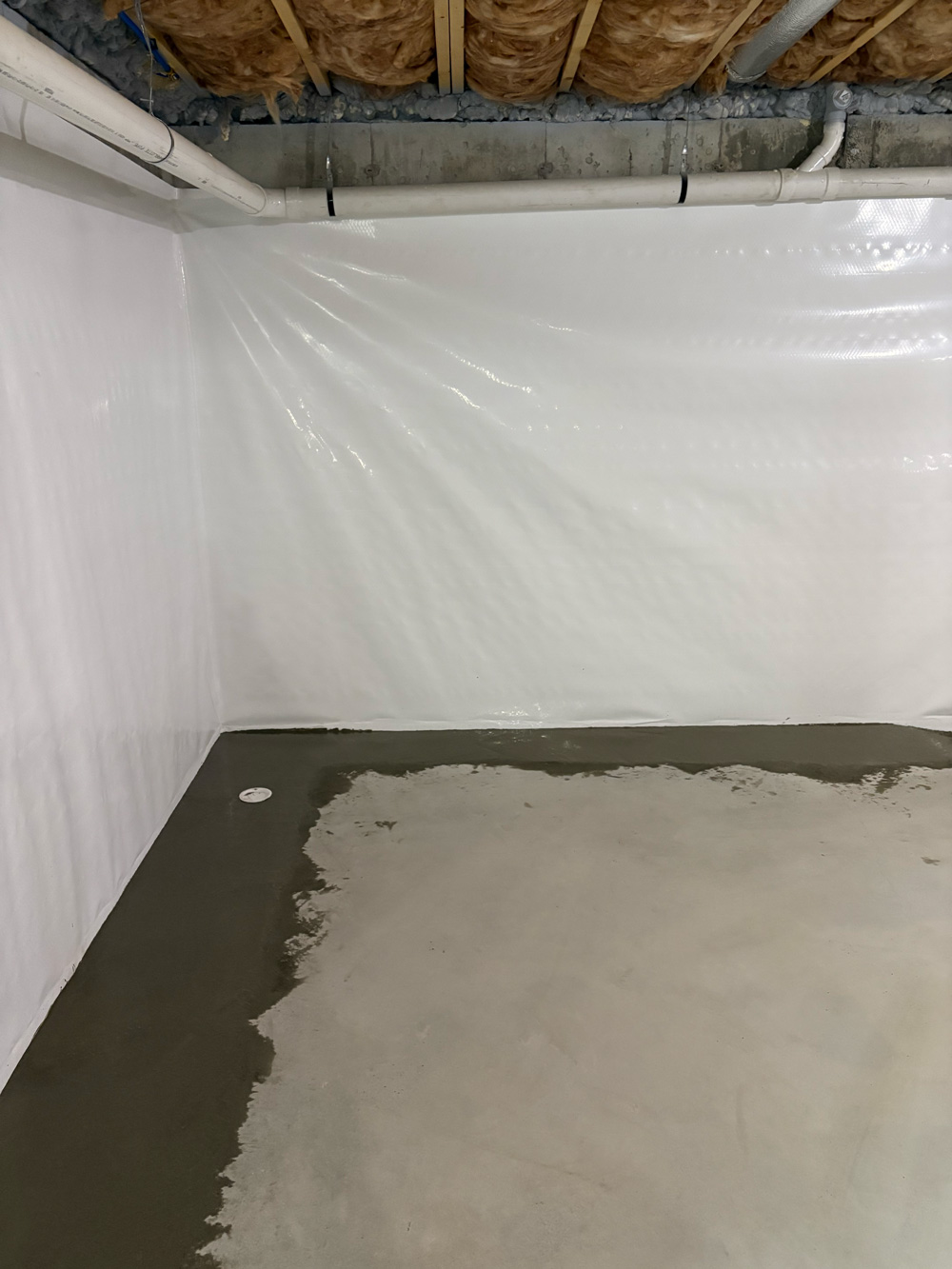
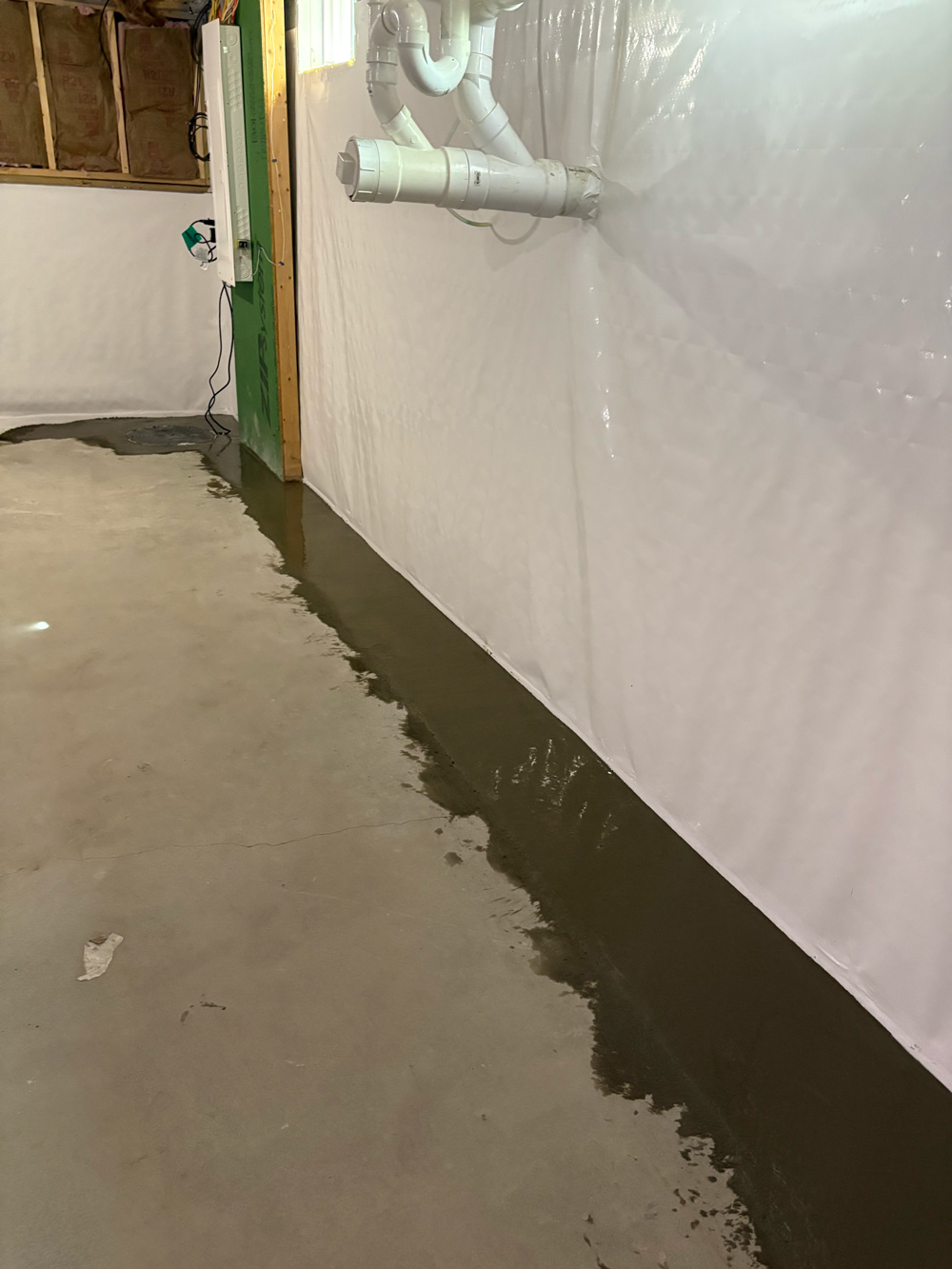


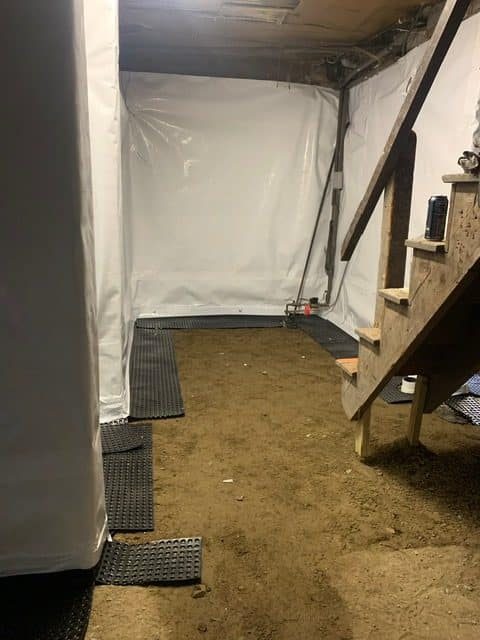
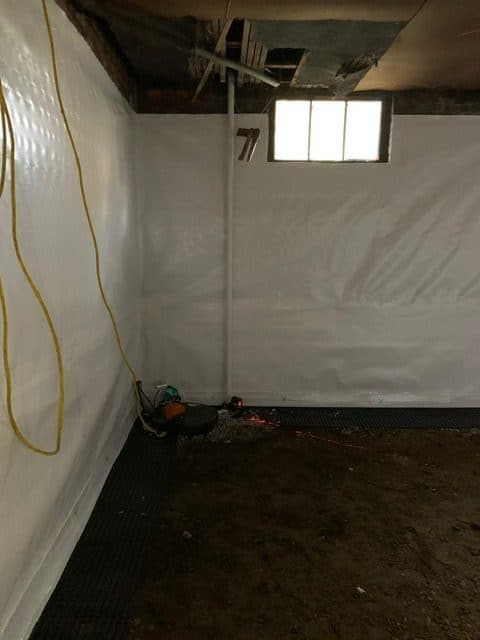

Moisture problems rarely announce themselves all at once. More often, they show up gradually, and many homeowners don’t connect the early signs to vapor intrusion until real damage has already been done. If your home is showing any of the following warning signs, a vapor barrier installation may be exactly what’s needed:
- Condensation on basement walls or floors
- Persistent musty or earthy odors in the lower level
- Visible mold or mildew growth on surfaces
- Peeling paint or bubbling drywall in the basement
- Wood rot or rust on structural components
- Allergy symptoms that worsen indoors
- High indoor humidity levels despite running a dehumidifier
- Crawl space that smells damp or shows signs of moisture accumulation
These are all indicators that water vapor is moving through your foundation and into your living space. Left unaddressed, the moisture can lead to significant moisture damage, degrading insulation, damaging stored belongings, weakening structural wood, and creating ideal conditions for mold growth. Regular inspections and maintenance of vapor barriers can help prevent moisture problems and ensure they continue to function effectively for years to come. If insulation materials get wet, they lose much of their thermal capacity, so preserving them is important. A properly installed vapor barrier stops this cycle at the source.
It’s also worth noting that vapor barriers work best as part of a complete moisture management strategy. Addressing exterior grading, gutter performance, and any existing drainage issues before or alongside a vapor barrier installation will produce the best long-term outcomes.
What Makes Up a High-Quality Vapor Barrier System?
Not all vapor barriers are created equal, and the quality of the materials and installation method directly affects how well the system performs over time. At Precision Basement Waterproofing, we use heavy-duty, chemical-resistant vapor barrier materials designed to handle the demanding conditions found in New England basements and crawl spaces.
A complete basement vapor barrier system typically includes:
- Heavy-gauge polyethylene sheeting: The core of most residential vapor barrier systems, this thick plastic sheeting is installed on basement walls and floors or across crawl space surfaces to block moisture transmission. We use reinforced materials rated for long-term performance, not the thin sheets found at hardware stores.
- Sealed seams and overlaps: Every seam where sections of the barrier meet must be overlapped and sealed with specialized tape or fasteners. It is crucial to seal all the seams thoroughly to ensure the effectiveness of the vapor barrier, as a vapor barrier is only as effective as its weakest seam gaps or improperly sealed joints allow moisture to bypass the system entirely.
- Wall and floor coverage: In most applications, the barrier extends up the walls and across the floor to create a continuous, unbroken envelope. This prevents moisture from entering along the critical wall-floor joint, one of the most common pathways for vapor intrusion.
- Mechanical fastening: Proper anchorage of the vapor barrier to foundation walls and framing prevents it from shifting, sagging, or pulling away from the surfaces it protects, ensuring consistent performance for years to come.
Proper installation is essential for the vapor barrier system to function correctly. Following detailed installation instructions and best practices ensures optimal performance and long-term protection against moisture.
Depending on your home’s specific conditions, we may recommend pairing the vapor barrier with a sump pump system, interior French drain, or dehumidifier to address both vapor and liquid water intrusion comprehensively.
Vapor barriers and vapor retarders are typically available as membrane-thin, flexible materials or as coatings. Water vapor retarders are classified by the International Residential Code into three classes based on their permeability: Class I (most resistant), Class II, and Class III. Selecting the appropriate type and class of vapor retarder is important for effective moisture control in different construction applications.
How Our Vapor Barrier Installation Process Works
Installing a vapor barrier is not a simple peel-and-stick job. Before installing a vapor barrier, you have to ensure the area is clean and free of debris. It requires a careful assessment of your space, proper surface preparation, and a methodical installation to ensure complete coverage and a lasting seal. Here’s how to install a vapor barrier step by step when you work with Precision Basement Waterproofing:
- Our team begins with a thorough inspection of your basement or crawl space to evaluate moisture levels, identify entry points, and assess the condition of existing surfaces. This is the time to check for any issues that could affect the installation.
- We address any pre-existing issues such as standing water, mold remediation needs, or structural repairs before the barrier goes in. Installing over unresolved problems reduces the effectiveness of the system.
- All surfaces are cleaned and prepped to ensure proper adhesion and contact with the vapor barrier material. Cleaning the area is essential to ensure that the barrier adheres correctly.
- Heavy-duty polyethylene sheeting is measured, cut, and positioned to cover the area of the floor and of the wall with the appropriate overlaps at seams and corners. You have to measure and cut the material to fit the area, and it is important to follow step-by-step installation instructions to ensure that the barrier fits properly.
- All seams and pipe penetrations are sealed using professional-grade waterproof tape or mechanical fasteners to create a continuous, gap-free barrier. Make sure the barrier is properly in place along the wall and floor, and pay special attention to sealing around pipe penetrations and any other wall penetrations to ensure no moisture can get through.
- The barrier is anchored securely to walls and framing to prevent movement over time.
- A final inspection is performed to verify complete coverage, sealed seams, and proper installation before cleanup. After installation, it is important to inspect the vapor barrier thoroughly to ensure that there are no tears, gaps, or unsealed areas.
The result is a clean, professional installation that stays hidden beneath your finished space while continuously protecting your home from moisture intrusion.
Why Basement Vapor Barriers are the Right Investment
Some homeowners wonder whether a vapor barrier is truly necessary or whether a dehumidifier alone can handle the problem. The truth is that a dehumidifier treats the symptom (high humidity), while a vapor barrier addresses the cause (moisture entering through concrete and soil). In most U.S. climates, vapor barriers should be part of a moisture control strategy for the protection of your home. Together, they make a powerful combination, but the barrier is always the foundation of effective moisture management.
Here’s why investing in a professional vapor barrier pays off:
- Stops mold growth before it starts by eliminating the moisture mold needs to thrive, and helps prevent moisture and moisture damage in various parts of your home, such as walls, ceilings, attics, and basements
- Protects structural wood framing, floor joists, and sill plates from rot and decay by blocking the passage of a vapor through building materials
- Improves indoor air quality by blocking musty, moisture-laden air from rising into the home
- Reduces energy costs by improving the insulating performance of your basement walls
- Extends the life of HVAC equipment and other mechanical systems in the space
- Increases home resale value by demonstrating proper moisture management to future buyers
- Provides long-term protection with minimal maintenance when professionally installed
Vapor barriers can be used in various applications, including residential, commercial, and industrial settings, making the benefits of a vapor barrier relevant for many types of buildings.
For Massachusetts homes where spring thaw, heavy rainfall, and high groundwater levels create ongoing moisture pressure, a basement vapor barrier isn’t a luxury. It’s a practical, cost-effective safeguard against damage that compounds quietly over time.

Complete Basement Moisture Management Solutions
Vapor barriers are a cornerstone of what we do, but they’re rarely the only tool needed. Precision Basement Waterproofing designs comprehensive moisture management plans tailored to each home’s specific challenges. Depending on your situation, we may recommend:



Vapor Barriers FAQs
A vapor barrier is a sheet of heavy-duty polyethylene plastic installed on basement walls, floors, or crawl space surfaces to block moisture and water vapor from penetrating your home. Vapor barriers and vapor retarders work by blocking the diffusion of water vapor and preventing moisture migration through building materials, which helps protect against issues like mold, condensation, and structural damage. Unlike waterproof coatings that try to resist moisture at the surface, a vapor barrier physically separates your living space from the moisture present in soil and concrete, controlling the movement of water vapor through vapor diffusion. Water vapor retarders, including vapor barriers and vapor retarders, are classified by their permeability and are important for controlling moisture in wall cavities. It is crucial to install the vapor barrier or vapor retarder on the correct side of the wall, depending on the climate, to ensure effective moisture control and prevent problems within the wall cavities. When properly installed with sealed seams and complete coverage, it’s one of the most reliable moisture control tools available for residential applications.
A dehumidifier treats the humidity that’s already inside your space. It removes moisture from the air but doesn’t stop more from entering. A vapor barrier prevents moisture from getting in to begin with, which means your dehumidifier works less, lasts longer, and costs less to run. For homes with persistent humidity problems, using both together is often the most effective approach. We can assess your specific situation and recommend the right combination of solutions.
A professionally installed, heavy-duty vapor barrier can last 20 years or more when properly maintained. The key factors that affect longevity include the thickness and quality of the material, the integrity of the sealed seams, and whether the installation was completed correctly the first time. We use reinforced, commercial-grade materials and installation techniques designed for long-term performance, not the lightweight sheeting found at home improvement stores that can tear, sag, or degrade within a few years.
Stop Moisture Problems Before They Become Costly Repairs
Water vapor is one of the most underestimated threats to a home’s structure, air quality, and comfort. The good news is that it’s also one of the most preventable. A professionally installed vapor barrier from Precision Basement Waterproofing delivers immediate, lasting protection, giving you peace of mind and a healthier home environment for years to come.
Don’t wait until mold, rot, or structural damage forces the issue. Request a free inspection today and let our team design the right moisture management solution for your home.