
French Drain Installation Services in Worcester County, MA and Beyond

If your basement smells musty, shows signs of wall seepage, or collects water after heavy rain, your home likely needs a professional French drain installation.
A basement waterproofing system is essential for preventing water intrusion, protecting your foundation, and maintaining your home’s structural integrity. One common problem is water accumulating around the home’s foundation, which can lead to basement flooding or moisture intrusion. French drains are a key component of many basement waterproofing systems, as they address this problem by removing excess groundwater from around the home’s foundation.
At Precision Basement Waterproofing, we specialize in interior basement drain systems that permanently redirect water away from your foundation. French drain systems are an interior perimeter drainage solution that channels or directs the water to a catch basin or sump pump underground. We have helped countless homeowners in Worcester County and beyond eliminate basement water problems by installing this effective drainage system. Our waterproofing specialists carry out a precise and comprehensive service, meticulously installing the French drain system around the edge of your basement to capture and redirect water before it infiltrates your home. Say goodbye to a wet and musty basement and hello to a dry, usable space.
When Do You Need a Drain System for a Wet Basement?
Many homeowners don’t realize they need a drainage system until flooding occurs. Watch for these warning signs:
Before installing a basement drainage system, it is important to address exterior issues such as grading and gutter functionality. Properly addressing these exterior problems can help prevent water intrusion and reduce the risk of basement flooding.
These signs often indicate hydrostatic pressure building around your foundation. Without a proper basement water drainage system, that pressure forces water through small cracks and joints.
A professionally installed interior French drain system relieves that pressure and redirects water safely to a sump pump.
Keep in mind, installing a basement drainage system is a major construction project that requires significant preparation and effort. It is advisable to consult with local building officials to determine if any permits or inspections are required before installing a basement drainage system. Local building codes may require specific permits for discharging water into municipal storm sewers during drainage installation, so it is important to check what is required in your area.
Components of a Basement Drainage System
A well-designed basement drainage system is the cornerstone of effective basement waterproofing and long-term protection for your home’s foundation. Each component plays a vital role in preventing water intrusion and keeping your basement dry, safe, and usable.
At the heart of most systems is the drain tile system—a perforated pipe installed along the interior perimeter, near the footing of your basement. This pipe collects water from the surrounding soil before it can reach your basement floor or foundation walls. The collected water flows into a sump pit, where a reliable sump pump automatically removes it, discharging it safely away from your house. This process stops water from entering your basement and helps maintain a dry basement environment, even during heavy rain or rapid snowmelt.
To further protect your finished basement from moisture and mold, a vapor barrier is often installed on basement walls and floors. This barrier blocks moisture from seeping through concrete, reducing the risk of mold growth and preserving indoor air quality.
A comprehensive basement drainage system works best when combined with other waterproofing measures. Exterior waterproofing, properly installed gutters, and ensuring the soil grade slopes away from your home all help prevent water from reaching your foundation in the first place. Together, these solutions create multiple layers of defense against water intrusion.
Regular maintenance is essential to keep your basement drainage system functioning at its best. Homeowners should periodically check the sump pump for proper operation, inspect the drain tile system for clogs or damage, and verify that the vapor barrier remains intact. Keeping gutters clean and ensuring downspouts direct water away from the foundation are also key steps in preventing water problems.
It’s important to remember that installing a basement drainage system is not a DIY project. Professional installation ensures that each component from the perforated pipe to the sump pump and vapor barrier is properly fitted and integrated. Experienced contractors can also provide guidance on ongoing maintenance and security, helping you avoid costly mistakes and ensuring your system delivers long-term protection.
By investing in a professionally installed and well-maintained basement drainage system, homeowners can create a dry, healthy, and secure basement space protecting both their property and their peace of mind for years to come.
How Our Interior French Drain System Works
There are two types of French drain basement waterproofing: interior and exterior. Our primary service is interior French drain installation, a perimeter drainage solution installed along the inside footing of your basement.
Here’s how it works:
Installing a basement drainage system often requires you to break up the concrete floor, which can create a significant amount of dust and debris. A jackhammer is typically used to break the concrete during this process. When drilling into concrete block walls, keep in mind that some blocks may be filled with concrete, which can affect how they should be drilled or modified for waterproofing purposes.
Once complete, the concrete floor is restored. The system remains hidden but continuously protects your home.
This type of French drain basement waterproofing is one of the most reliable drain systems available for Massachusetts homes.
Why Interior Drain Systems are the Best Solution
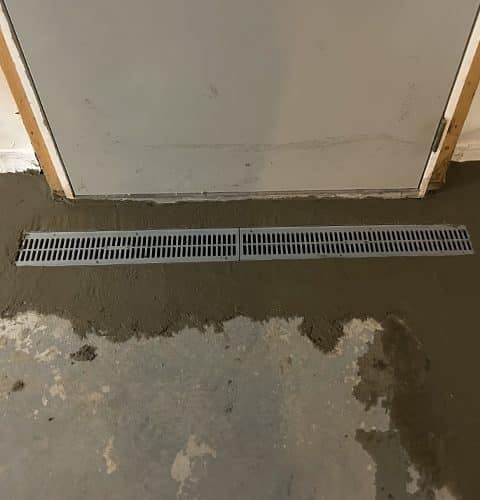
In Massachusetts, heavy rain, snowmelt, and high groundwater levels make interior systems especially effective.
Interior systems:
For most homeowners searching for French drain installation near me, an interior system offers the best balance of cost, effectiveness, and durability.
Complete Basement Drainage Solutions
What Affects French Drain Cost in Massachusetts?
The cost of French drain installation depends on various factors, including location, size of the repair, basement size, linear footage of perimeter, existing water damage, sump pump requirements, and whether the basement is finished or unfinished.
Most new homes built in the US have French drain basement waterproofing already installed.
The extent of the waterproofing solution such as how much of the basement is covered and the durability of the system can also influence both the cost and the suitability of the chosen method.
Interior drain systems are generally more affordable than exterior excavation and provide strong long-term value.
We provide honest pricing and clear recommendations – no pressure, just solutions.
Trusted French Drain Contractors in Leominster, MA
Precision Basement Waterproofing proudly serves:
We focus heavily on interior French drain systems because they provide consistent, long-term water control. For more complex projects such as exterior basement waterproofing and drainage system installation, it’s best to leave the work to the pros, who have the specialized skills and equipment needed to ensure the job is done right.

Professional Basement Waterproofing Services



French Drain System FAQs
A French drain, or a weeping tile, is a trench filled with gravel or rock containing a perforated pipe that diverts surface water and groundwater away from your home. The purpose of a French drain is to prevent water from making its way into your home’s foundation or basement. It is an effective solution that channels water away from the structures, reducing the chance of water damage. French drain systems are critically important, especially when water accumulation is a common issue.
While homeowners can install a French Drain themselves, it is recommended to seek professional help given the expertise required and potential complications that may arise during installation. The installation involves excavating a trench around your home, placing a perforated pipe, and then backfilling the trench with rock or gravel. The water entering the channel filters down through the gravel and into the pipe, which carries it away from your home. It’s crucial that this process is done correctly, or it could lead to more problems down the line, such as ineffective drainage or further foundation damage.
The depth of a French drain depends on its purpose and the landscape’s conditions. Generally, it should be deep enough to reach the foundation footer, roughly 18 to 24 inches deep for a typical residential home. The depth ensures the system collects water before seeping into your basement. Remember, determining the appropriate depth requires a detailed assessment of your property, which a professional should perform to ensure the system achieves its intended purpose.
Stop Basement Water Problems in Their Tracks!
Act now to protect your home and family from water damage and mold with our French drain systems. Request a free quote from Precision Basement Waterproofing and enjoy living in a dry and safe environment.